
Telehealth, also known as telemedicine, is revolutionizing the way we access medical care. Instead of traveling to a clinic or hospital, you can now connect with your health care provider from anywhere—whether at home, at work, or even on the go. With telehealth, a computer, tablet, or smartphone is all you need to take control of your health efficiently and safely.
This article explores the benefits of telehealth, how it works, tips to get comfortable with virtual visits, and why it’s becoming an essential part of modern health care.
Read More: Discover the Best Devices and Browsers for a Smooth, Stress-Free Telehealth Experience
What Is Telehealth?
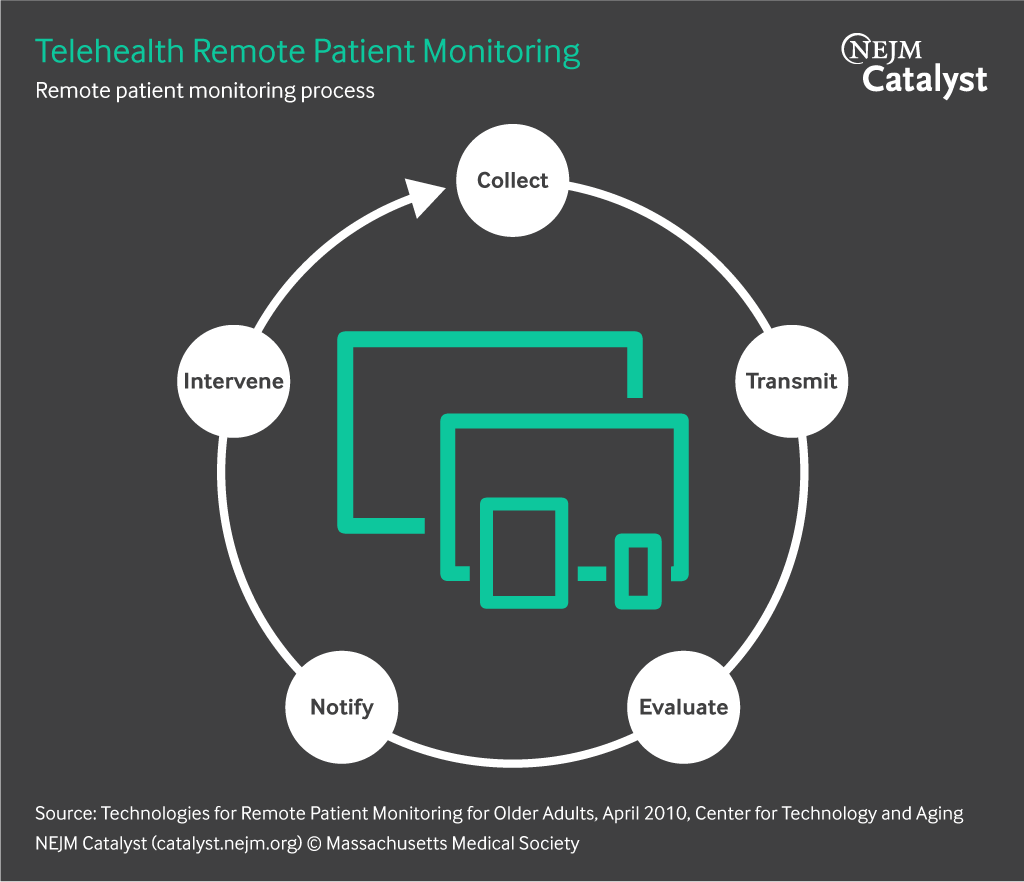
Telehealth is the use of technology to provide medical care remotely. Through video calls, phone consultations, and secure messaging platforms, patients can communicate directly with their health care providers without leaving their homes.
Some of the key features of telehealth include:
- Video and Phone Consultations: Talk to your health care provider in real-time, ask questions, and discuss symptoms as if you were in the office.
- Secure Messaging: Share updates, ask follow-up questions, or clarify instructions safely and conveniently.
- Health Tracking: Monitor your blood pressure, heart rate, glucose levels, and other health metrics, then share the data with your provider for more personalized care.
Telehealth is designed to make health care more accessible, efficient, and patient-centered. It offers a flexible way to maintain your health without the stress of traveling to appointments.
How Telehealth Works
Using telehealth is simpler than many people think. First, you choose a provider who offers virtual care. Next, schedule an appointment through the provider’s online portal or app. During the visit, you can communicate via secure video, phone, or messaging platforms. Some telehealth services even integrate with wearable devices to monitor vital signs in real time.
For new users, many providers offer guidance on how to prepare for a telehealth visit, ensuring your experience is smooth and effective.
The Benefits of Telehealth
Telehealth offers numerous advantages for patients, making it a convenient alternative to traditional in-person visits.
Reduces Risk of Illness
Virtual visits help reduce exposure to contagious diseases. Whether it’s flu season or a pandemic, staying home while accessing medical care keeps you, your family, and your community safer.
Convenient Access Anywhere
Telehealth removes geographical barriers. You can have a consultation from your living room, office, or even your car. This convenience allows you to prioritize your health without disrupting daily responsibilities.
Saves Time and Resources
Eliminate travel time, waiting rooms, and the need to arrange childcare. Telehealth appointments can save hours compared to in-person visits, allowing you to focus on work, family, and personal life.
Faster Appointments
Many telehealth platforms offer quicker appointment availability. This means you can get the care you need sooner, potentially preventing minor health issues from becoming serious.
Greater Provider Options
Telehealth broadens your choices. You can access specialists and providers who may not be nearby, ensuring you receive the care that best meets your needs.
While telehealth is convenient, it’s not always suitable for every medical condition. Some cases require in-person exams, lab work, or procedures. Always consult with your health care provider to determine whether telehealth is appropriate for your situation.
How to Get Comfortable with Telehealth
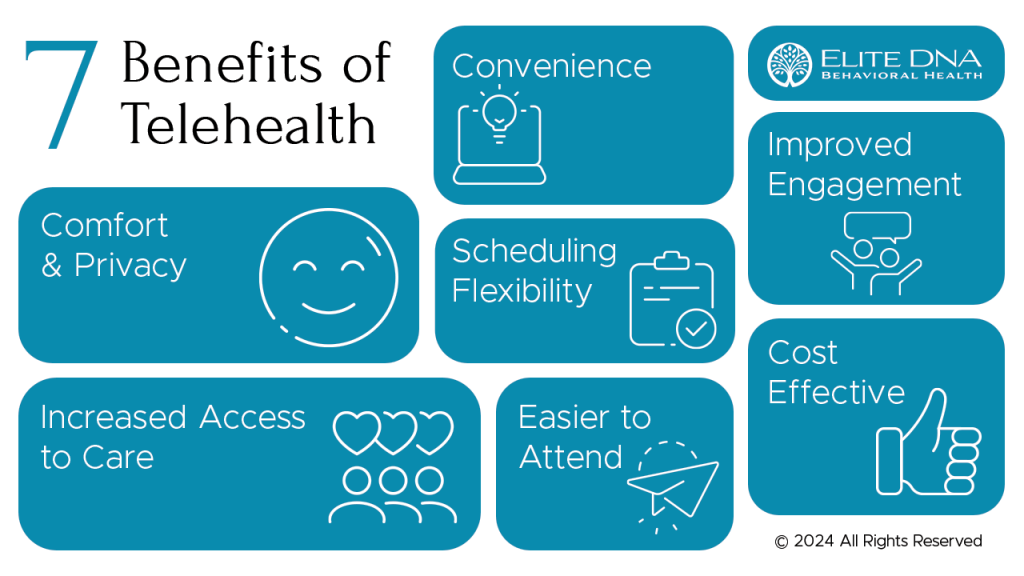
For many patients, using telehealth for the first time may feel unfamiliar. Building confidence in virtual care is crucial to ensure a positive experience.
Choose a Provider You Trust
Your comfort with your health care provider is essential. Select someone who listens, explains clearly, and makes you feel at ease. Telehealth often allows more flexibility in provider choice, giving you access to specialists and general practitioners who align with your needs.
Prepare for Your Visit
Before your appointment, make sure your device is charged, your internet connection is stable, and your camera and microphone work properly. Have your health history, medications, and any questions ready to make the session productive.
Use Secure Platforms
Always use the telehealth platform recommended by your provider. These platforms are designed to protect your privacy and ensure secure communication. Avoid generic video calls unless explicitly approved by your provider.
Ask Questions and Share Details
Be open about your symptoms, medical history, and concerns. Telehealth allows real-time interaction, so don’t hesitate to ask for clarification or guidance. Accurate and detailed communication helps your provider make informed decisions about your care.
Follow Up and Track Your Progress
After the appointment, follow any prescribed instructions and keep track of your health metrics. Telehealth platforms often allow easy follow-up messages and continuous monitoring, helping you stay on top of your health.
Common Telehealth Services
Telehealth isn’t limited to general consultations. Many providers offer specialized services, including:
- Primary Care: Routine check-ups, illness management, medication refills.
- Mental Health: Counseling, therapy sessions, and behavioral health support.
- Chronic Disease Management: Monitoring conditions like diabetes, hypertension, or heart disease.
- Dermatology: Virtual skin evaluations, acne treatments, and follow-ups.
Specialist Consultations: Remote access to specialists without long-distance travel.
These services make telehealth a versatile solution for maintaining overall health and wellness.
Tips for a Successful Telehealth Experience
To get the most out of your telehealth appointments, consider these tips:
- Schedule Wisely: Pick a time when you won’t be interrupted.
- Create a Quiet Space: Minimize background noise for clear communication.
- Check Technology in Advance: Ensure your camera, microphone, and internet connection are functioning properly.
- Take Notes: Write down important advice or instructions during the session.
- Follow Up: Use the platform to send updates or ask additional questions after your visit.
These simple steps can make your telehealth visits smoother, more efficient, and more effective.
The Future of Telehealth
Telehealth is rapidly evolving, with new technologies and innovations expanding its capabilities. Artificial intelligence, wearable health devices, and remote monitoring tools are making virtual care more personalized and proactive.
As telehealth becomes increasingly integrated into mainstream health care, patients gain more control over their health while reducing stress, travel, and wait times. The convenience and flexibility offered by telehealth make it a critical component of modern medicine.
Frequently Asked Questions:
What is telehealth and how does it work?
Telehealth is a way to access medical care remotely using a computer, tablet, or smartphone. You can have video consultations, phone calls, or send secure messages to your health care provider. Some telehealth platforms also let you share health data like blood pressure or glucose levels.
What are the main benefits of using telehealth?
Telehealth saves time, reduces travel, minimizes exposure to illnesses, allows faster appointments, and gives you access to a wider range of health care providers, including specialists who may not be nearby.
Can telehealth replace in-person visits completely?
Not always. Telehealth is excellent for routine check-ups, follow-ups, mental health sessions, and minor illnesses. However, some conditions require physical exams, lab tests, or procedures that must be done in person.
How do I get started with telehealth?
Choose a provider who offers virtual visits, set up a secure telehealth platform or app, schedule an appointment, and ensure your device, camera, and internet connection are ready. Prepare your health information and questions ahead of time for a smooth visit.
Is telehealth safe and secure?
Yes. Reputable telehealth platforms use encryption and secure communication methods to protect your private health information. Always use the platform recommended by your health care provider.
What types of medical services can I access through telehealth?
Telehealth can cover primary care, mental health counseling, dermatology, chronic disease management, and specialist consultations. The availability of services may vary depending on the provider.
Can I use telehealth from anywhere?
Yes, as long as you have a reliable internet connection and a compatible device. You can join your telehealth visit from home, work, or even while traveling.
Conclusion
Telehealth is transforming the way we access health care, making it more convenient, efficient, and accessible than ever before. By connecting with your health care provider virtually, you can save time, reduce exposure to illness, access a wider range of providers, and take greater control of your well-being. While it may not replace every in-person visit, telehealth offers a smart, flexible solution for routine care, mental health support, and chronic condition management. Embracing telehealth empowers you to prioritize your health on your terms, ensuring that quality care is always within reach—anytime, anywhere.